Pool Resurfacing in Sarasota, FL
Rough, stained or blotchy pool walls usually mean the interior finish is worn out. Resurfacing gives the shell a new skin and the pool a second life.
No obligation. Phone answered 24/7.
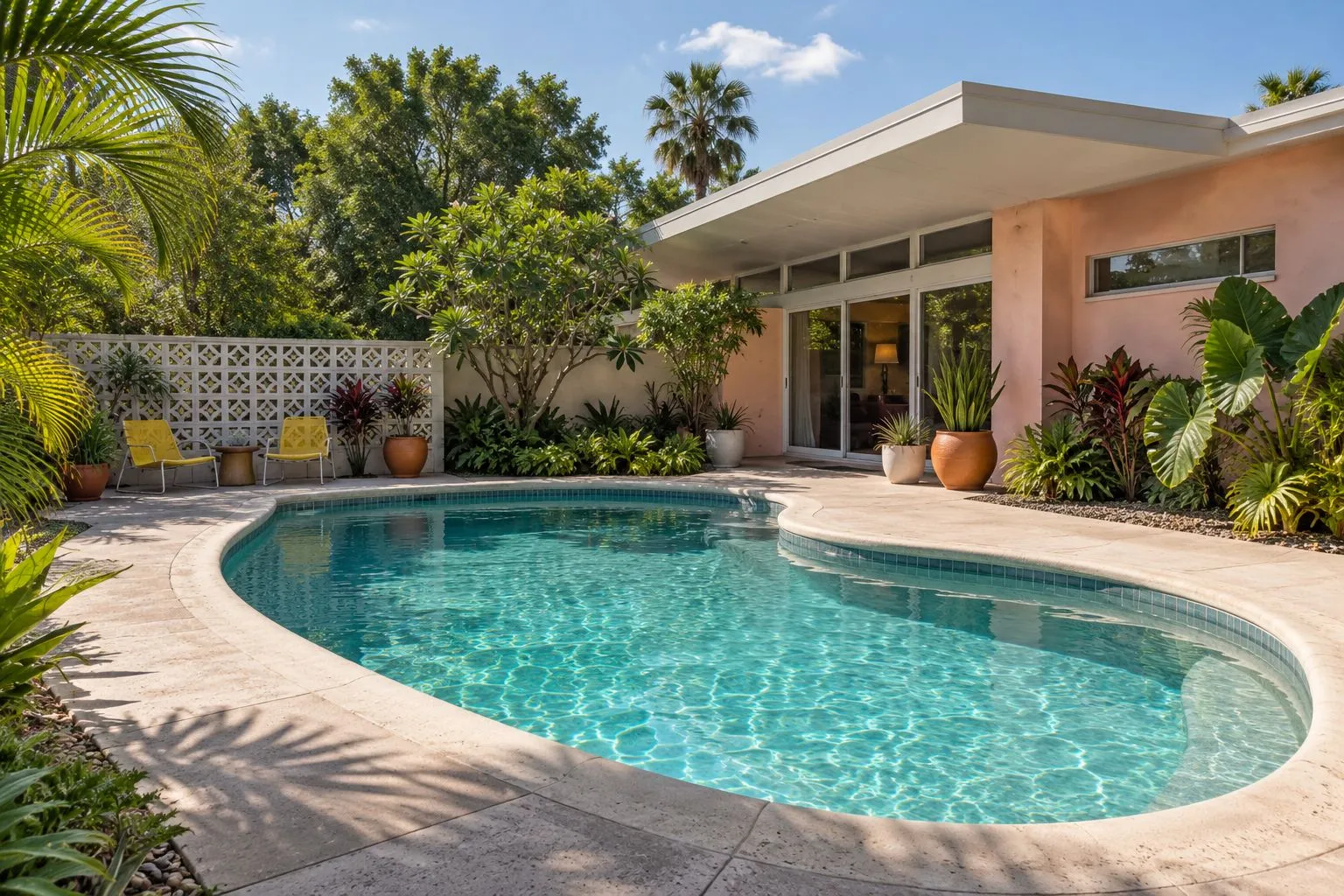
What pool resurfacing involves
Most in-ground pools in the Sarasota area are concrete shells finished with a thin interior coat, traditionally white plaster (often called marcite), or quartz and pebble blends. That finish is what you feel under your feet and what keeps the water off the concrete. It wears away slowly through chemistry, sun and use. Resurfacing removes or prepares the old finish and applies a new one.
A typical job follows a set order. The pool is drained, loose or hollow finish is chipped out, and the surface is cleaned and prepared, sometimes by sandblasting or grinding. Cracks, delaminated areas and fittings are repaired. Tile and fittings are protected or replaced, and the new finish is troweled or sprayed on. The pool is then refilled and the water is carefully balanced during start-up so the new surface cures properly. Your contractor's start-up instructions matter as much as the application itself.
Want to talk it through? Call 941-280-5955 any time. The line is open 24 hours a day.
Signs your pool needs resurfacing
- Rough texture. Walls and steps that scrape feet or snag swimsuits.
- Stains that will not brush out. Mottling, dark blotches or rust spots that return after chemical treatment.
- Etching and pitting. Small pits and a chalky, worn look, often from years of low-pH water.
- Hollow or flaking areas. Spots that sound hollow when tapped, or patches peeling away (delamination).
- Visible cracks. Fine surface "check" cracks are cosmetic, but wider or growing cracks need a closer look.
- Constant water loss. A finish in poor condition can hide leaks around fittings. Leak detection should come first.
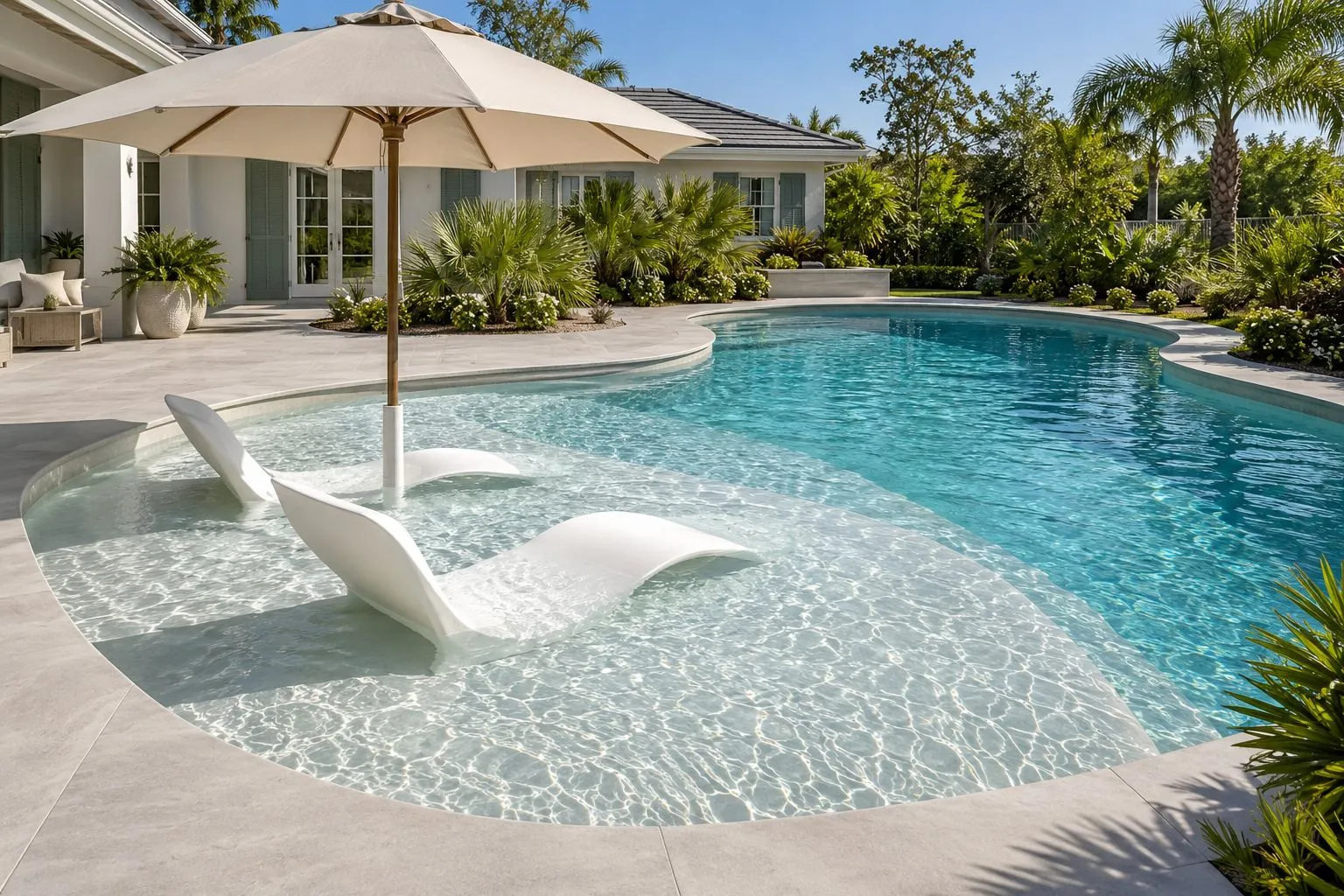
Comparing pool finishes
The finish you choose sets the look of the water, how it feels and how long it lasts. HomeGuide's 2026 guide gives these typical installed ranges and lifespans. These are national figures, not Sarasota quotes.
| Finish | Typical cost per sq ft | Typical lifespan |
|---|---|---|
| Pool paint (epoxy) | $1 – $2 | 5 – 7 years |
| White plaster / marcite | $6 – $8 | 7 – 12 years |
| Quartz plaster | $7 – $10 | 10 – 15 years |
| Exposed aggregate | $6 – $15 | 15+ years |
| Pebble | $7 – $15 | 15 – 20+ years |
| Full tile interior | $8 – $30+ | Longest-lasting option |
Source: HomeGuide, pool resurfacing cost (2026).
Plaster is the budget-friendly classic and gives the bright, light-blue water many people picture. Quartz blends harder quartz into the plaster for better durability and more color choices. Pebble and aggregate finishes cost more but are the most durable common option, with a natural texture some people love and others find too bumpy on bare feet. Ask to feel samples before you decide.
How much does pool resurfacing cost?
Angi puts the national average at about $11,000 for a roughly 1,000 square foot interior, with most projects between $6,000 and $15,000 (page updated August 1, 2026). HomeGuide reports the same $11,000 average and range, and lists replastering at about $6,000 to $8,000.
See the full pool remodeling cost guide →
Your price depends on the pool's surface area, the finish, how much old material has to come out, crack and fitting repairs, whether tile or coping is replaced at the same time, and the cost of refilling. Many homeowners pair resurfacing with waterline tile replacement because the pool is already drained. Ask for an itemized estimate that separates prep, repairs, finish, tile, start-up and any warranty.
Resurfacing in Sarasota conditions
Strong sun, long swimming seasons and heavy summer rain all affect pool finishes here. Rain dilutes and shifts water chemistry, and water that sits out of balance for long periods etches plaster. A new finish will last longer when the chemistry is kept in range from day one.
Near the coast, salt air and storms add wear. A crack that is wide, growing or paired with deck settling should be evaluated before you spend money on a new finish, because a fresh surface over an active structural problem will not last. Waterfront pools behind seawalls deserve an extra look at the deck and coping where they meet the wall.
Permits and timing
Whether your project needs a permit depends on the scope and on who has jurisdiction. Unincorporated Sarasota County addresses go through Sarasota County Planning and Development Services, unincorporated Manatee County addresses go through Manatee County Development Services, and properties inside a city such as Sarasota, Venice, North Port, Bradenton or Palmetto start with that city's building department. New pools, structural repairs and new electrical, gas or solar work commonly need permits. Ask your contractor to confirm what your project needs and who will pull the permit.
Angi and HomeGuide both put a typical resurfacing project at about five to seven days, with some finishes needing extra cure time and weather sometimes adding more. Draining a pool is not something to do casually. Your contractor should consider groundwater levels and the weather before emptying the shell.
Questions to ask before you hire
- What finish do you recommend for my pool, and why?
- How will you prepare the old surface, and what repairs do you expect?
- Will the tile, fittings or lights be replaced or protected?
- What start-up process do you follow, and who handles the water chemistry during cure?
- What does the warranty cover, for how long, and what voids it?
- What is your Florida license number? Verify it with the DBPR license search.
Pool Resurfacing across Sarasota and Manatee counties
We connect homeowners with contractors for pool resurfacing throughout Sarasota and Manatee counties, including:
Sarasota · Bradenton · Lakewood Ranch · North Port · Venice · Englewood · South Venice · Palmetto · Osprey · Nokomis · Siesta Key · Longboat Key · Gulf Gate Estates · Fruitville · Bee Ridge · Venice Gardens · Ellenton · Parrish · Anna Maria · Holmes Beach · Bayshore Gardens · Myakka City
See all service areas.
Related services
Pool projects often combine several improvements. Explore: Pool Deck Remodeling · Pool Tile Replacement · New Pool Construction · Outdoor Living · Pool Equipment.
Pool Resurfacing questions
How often does a pool need resurfacing?
It depends on the finish and how well the water is maintained. HomeGuide lists plaster at roughly 7 to 12 years, quartz at 10 to 15 years and pebble at 15 to 20 years or more. Poor water chemistry shortens all of them.
Can you resurface over the existing finish?
Sometimes, if the old finish is well bonded. Hollow, flaking or delaminated areas have to be removed first. Your contractor should explain how the surface will be prepared.
Can I change the color of my pool?
Yes. Resurfacing is the natural time to change color, because quartz and pebble finishes come in a range of tones that change how the water looks. Ask to see installed examples, not just small chips.
How long until I can swim after resurfacing?
It depends on the finish and the contractor's start-up process. Follow the contractor's written instructions on brushing, chemistry and when swimming can resume.
Plan your pool resurfacing project
Tell us about your pool and a licensed local contractor can follow up when one is available for your area. No obligation.
No obligation. Phone answered 24/7.